



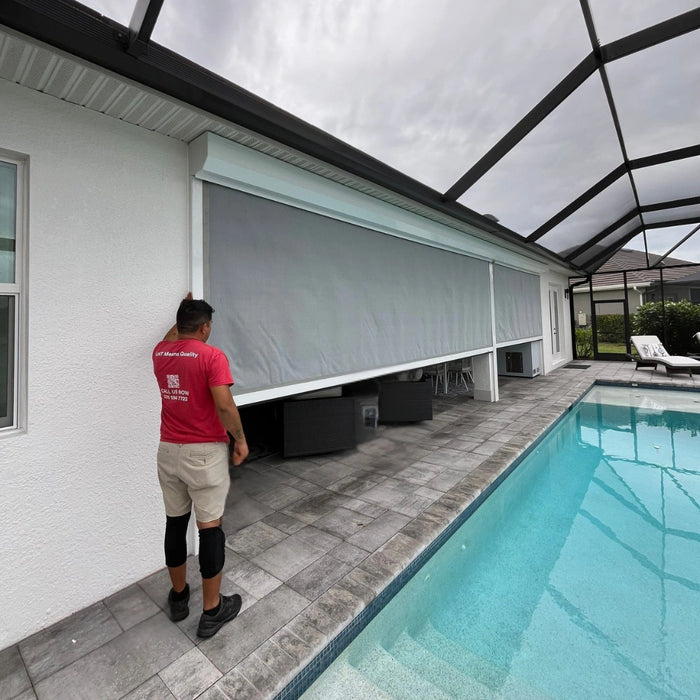


Hurricane Screens vs. Hurricane Shutters: Which Protection Is Best for Your Florida Home?
by Eduardo Roman on Jul 07, 2026Living in Florida, we all know that the question isn’t if a tropical system will threaten our coast, but when. As storm season approaches, local homeowners face a critical decision: what is the best way to safeguard my property, my family, and my investment?
Two of the most popular and highly effective choices on the market today are hurricane screens and hurricane shutters. Both provide excellent defense against flying debris and high winds, but they perform very differently in terms of daily usability, aesthetics, and cost.
If you are trying to decide which system is right for your house, you are in the right place. In this comprehensive guide, we will break down the pros, cons, and key differences between hurricane screens and shutters so you can make an informed choice before the next tracking map drops.
Understanding Hurricane Screens: The Modern Outdoor Solution
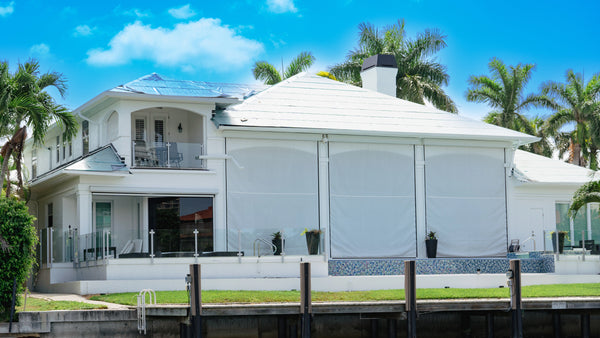
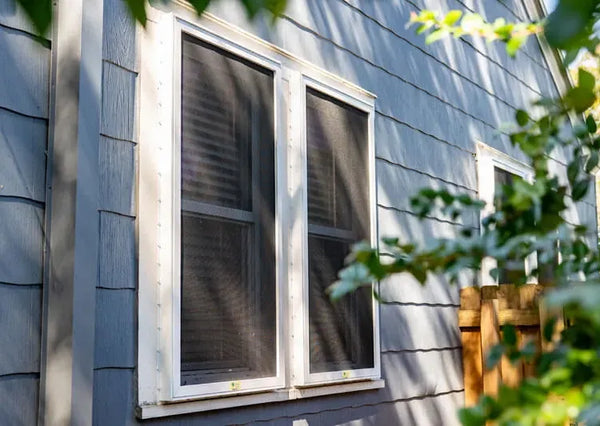
When many people think of “screens,” they think of flimsy pool cage mesh that tears in a stiff breeze. Hurricane screens are an entirely different animal. Built from high-tensile, lightweight, and durable woven fabric, these systems act like a trampoline for flying debris. We make ours in two fabrics: polypropylene, our standard, and aramid, our heavy-duty option and the fiber family Kevlar belongs to. Our guide to polypropylene vs. aramid hurricane screens explains how to choose.
Instead of taking a rigid impact, a hurricane screen flexes, absorbing and dissipating the energy of an incoming object (like a tree branch or a rogue piece of lawn furniture) to help protect the glass behind it.
The Pros of Hurricane Screens
- Maintains Light and Views: Unlike solid metal shutters that plunge your home into total darkness, hurricane screens are translucent. You can see out, and natural light can still get in. That makes a real difference if you are riding out a multi-day power outage after a storm.
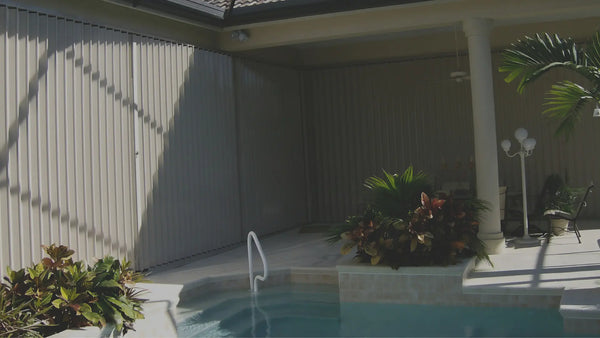
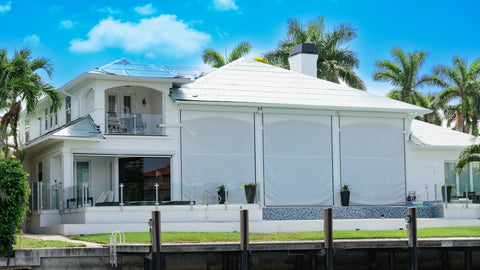
- Perfect for Large Openings: If you have an expensive outdoor kitchen, a beautiful lanai, or a sweeping covered patio, screens are ideal. They can span massive widths without needing structural mid-posts.
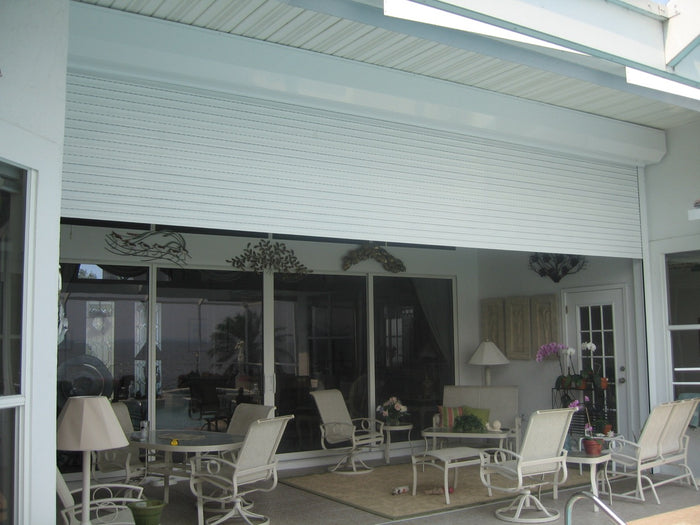
- Out of Sight Between Storms: A permanently mounted hurricane screen stays rolled up in its housing above the opening until you need it, so there are no panels to store, carry or fasten before a storm. If everyday sun, glare and bugs on the lanai are what you want to fix, our mosquito and solar screens are made for that job. They are comfort products, not storm protection.
- Easy Deployment: Many hurricane screens are motorized, and manual crank versions are available too. With the push of a button or a remote control, your entire patio can be locked down quickly. You can also run motorized screens from a smartphone app when you add a compatible Wi-Fi hub, such as the Gaposa RollApp hub we sell, on compatible motors.

The Cons of Hurricane Screens
Installation Requirements: Because of the specialized fabric and tracking systems, they require precise, professional installation to ensure correct tensioning.
Lead Time: Each screen is custom made for its opening, so plan ahead. Our hurricane screens typically take 40 to 60 days from measure to installation.
Understanding Hurricane Shutters: The Tried-and-True Standard
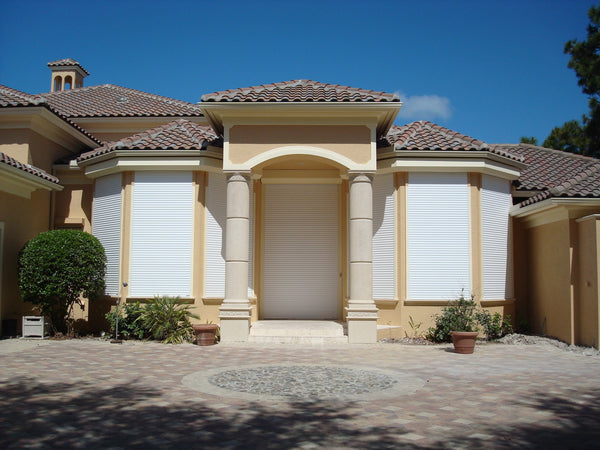
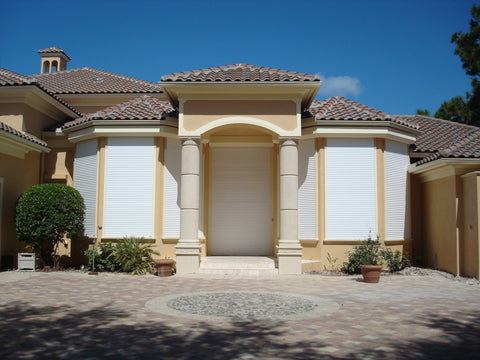
Hurricane shutters are the classic choice for storm defense across the Sunshine State. Available in several configurations, most notably roll-down shutters and accordion shutters, they create a solid metal or high-impact composite barrier over your windows and doors.
Shutters work by creating a rigid shield between your glass and the wind pressure and flying debris outside.

The Pros of Hurricane Shutters
- Solid Security: When a solid aluminum roll-down or accordion shutter is locked into place, your home becomes a fortress. Beyond stopping storm debris, they help deter break-ins and vandalism if you have to evacuate the area.
- Wind and Water Shield: Because they are solid, shutters shield your glass and old window seals from driving rain and high-velocity wind.
- Long-Term Durability: Made from heavy-duty extruded aluminum, high-quality shutters are built to stand up to harsh, salty Florida coastal air.
- Flexible Budget Options: While automated roll-down shutters sit at a premium price point, manual accordion shutters offer an exceptionally budget-friendly way to achieve whole-home hurricane protection.
The Cons of Hurricane Shutters
The “Cave” Effect: Once your shutters are closed, your house is completely dark. If the power grid goes down for days after a storm, living inside a shuttered home can feel claustrophobic and incredibly hot without interior light.
Span Limitations: For massive structural openings like a wide-span lanai or garage-style opening, shutters require heavy mid-tracks or vertical support bars to handle the wind load, which can break up your open layout.
Head-to-Head Comparison: Which Fits Your Lifestyle?
To help visualize how these two powerhouses stack up, let’s look at a side-by-side comparison across the categories that matter most to homeowners.
| Feature | Hurricane Screens | Hurricane Shutters (Roll-Down/Accordion) |
|---|---|---|
| Primary Material | Polypropylene (standard) or aramid (heavy duty) fabric | Extruded Aluminum or Composite |
| Visibility & Light | Translucent; retains light and views | Opaque; total blackout when deployed |
| Operation | Motorized (button or remote; app with a compatible Wi-Fi hub) or manual crank | Motorized (Roll-down) or Manual (Accordion) |
| Between Storms | Rolls up out of sight into its housing | Security barrier when traveling |
| Maximum Span | Excellent for massive patios & lanais | Better suited for standard windows/doors |
| Budget Profile | Depends on the opening; we can price both for the same openings | Scalable (Budget-friendly to Premium) |
The Verdict: How to Choose for Your Home
So, which one wins? The truth is, the best choice depends entirely on where in your house you are installing the protection.

Choose Hurricane Screens If…
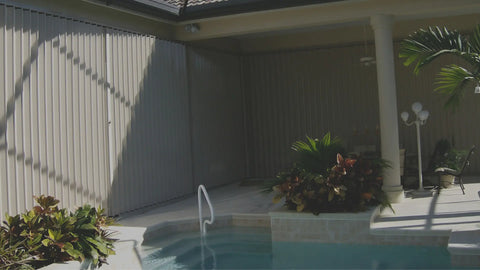
You are looking to protect a large outdoor living space, such as a covered patio, lanai, or outdoor pool deck. Screens help shield your expensive patio furniture, electronics, and outdoor kitchens from flying debris. They are also the right choice if you hate the dark “fortress” feel of shutters and want to keep light and views when the screens are down.
Choose Hurricane Shutters If…
You are protecting standard windows, sliding glass doors, or a front entry. If your primary goal is security, budget flexibility, and a rock-solid barrier between driving rain and your window frames, classic roll-down or accordion shutters are tough to beat. Our guide to roll-down vs. accordion shutters helps you choose between the two.
The Ultimate Local Strategy: The Hybrid Approach
Many Florida homeowners find that the smartest strategy isn’t choosing one over the other: it’s combining them. By installing sleek, heavy-duty aluminum shutters on your side and front windows, and installing a wide-span motorized hurricane screen across your back lanai, you get the absolute best of both worlds: fortress-like security where you need it, and beautiful, functional, everyday usability for your main outdoor living spaces.
Products in this article

Hurricane ScreensCustom roll-down storm screens made in Fort Myers. Free in-home quote.

Roll-Down ShuttersAluminum shutters that roll up into a housing above the opening. Free in-home quote.

Accordion ShuttersPermanent shutters that stack beside the opening and close by hand. Free in-home quote.
Ready to Protect Your Home? Let’s Talk Options.
Planning your home protection is easier when there is no named storm spinning in the Gulf or the Atlantic. Getting your custom measurements, manufacturing, and local permitting completed ahead of time means your protection is in place well before you need it.
At Advanced Hurricane Technology, we specialize in designing, manufacturing, and installing hurricane protection systems tailored to your home’s exact architecture. We were founded in Fort Myers in 1994, and we serve seven counties, from Collier to Pinellas. We make our hurricane screens in our Fort Myers factory: the fabric is cut on our CNC table and sewn on our own floor.

Flexible Financing for Peace of Mind
We believe that protecting your family shouldn’t break your bank account. That’s why we offer homeowner financing through Regions Bank, Member FDIC, including a plan with no payments for 12 months: interest builds from the day the loan is funded and is waived if you repay the balance within 12 months. Financing is subject to credit approval, the offer is for a limited time and minimum loan amounts apply, so ask us for the full program terms. It can make it easier to upgrade your home’s safety right now.
Contact our local team today to schedule your free in-home consultation and estimate, or call (239) 251-0856. We can quote screens and shutters for the same openings, so you can compare them side by side.
Advanced Hurricane Technology · FL Lic. CBC1258522 | SCC131153977


